PCOS: Healthy Eating Guide
By Mary Ann
16 February 2023
Polycystic Ovary Syndrome (PCOS) is a common hormonal disorder that affects women of reproductive age. It is characterized by the growth of small cysts on the ovaries and an imbalance of hormones such as testosterone, insulin, and luteinizing hormone. This hormonal imbalance can lead to various symptoms, including irregular periods, acne, weight gain, and infertility. Fortunately, diet plays a crucial role in the fight against PCOS and it's symptoms. Here are some dietary tips for women with PCOS:

Include High-fiber Foods In Your Diet
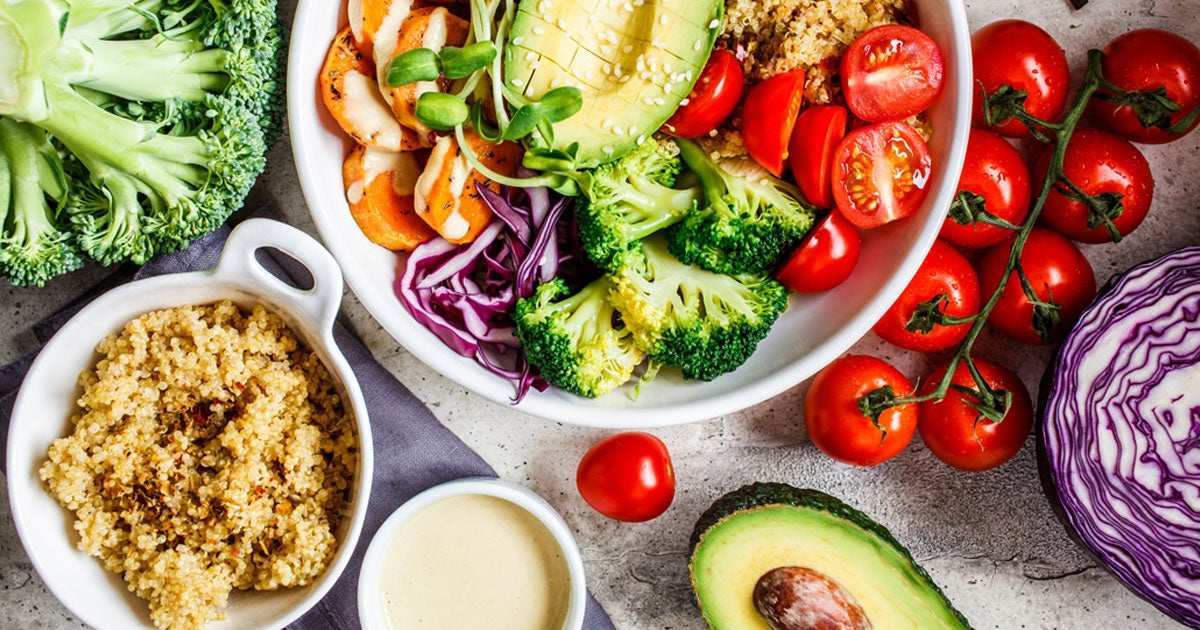
Foods that are high in fiber can help regulate blood sugar levels and promote weight loss, which can be beneficial for women with PCOS. Examples of high-fiber foods include whole grains, fruits, vegetables, and legumes.
Eat Plenty Of Lean Protein
Protein helps regulate hormones and reduce inflammation in the body. Good sources of lean protein include chicken, fish, tofu, and legumes.
Reduce Your Intake Of Carbohydrates
Processed and refined carbohydrates can increase insulin levels, which can worsen PCOS symptoms. Instead, opt for complex carbohydrates like whole grains, fruits, and vegetables.

Increase Your Intake Of Healthy Fats
Healthy fats such as olive oil, avocado, and nuts can help regulate hormones and improve insulin sensitivity.
Limit Your Consumption Of Sugar
Sugar can increase insulin levels and worsen PCOS symptoms. Try to limit your consumption of sugar and opt for natural sweeteners like stevia or honey.
Incorporate anti-inflammatory foods into your diet: Anti-inflammatory foods such as turmeric, ginger, and leafy greens can help reduce inflammation and improve insulin sensitivity.
Eat Plenty Of Colorful Fruits And Vegetables
Fruits and vegetables are a good source of antioxidants, fiber, and other nutrients that can help improve overall health and reduce the risk of chronic diseases.
It's important to note that every woman with PCOS is unique and may have different dietary needs. Some women may also have food sensitivities or allergies that need to be considered. It's best to work with a healthcare provider or a registered dietitian to create a personalized diet plan that meets your specific needs and goals.

Additionally, women with PCOS should be mindful of portion sizes and aim to eat small, frequent meals throughout the day. This can help regulate blood sugar levels and prevent overeating. It's also important to stay hydrated by drinking plenty of water and limiting sugary drinks.

In addition to following a healthy diet, it is also important to maintain a healthy lifestyle by getting regular exercise and managing stress levels. Women with PCOS should also consider speaking to their doctor or a registered dietitian to develop a personalized dietary plan that takes into account their unique health needs and goals.
Incorporating healthy lifestyle habits, such as regular exercise and stress management, can also help improve the symptoms of PCOS. Remember, a healthy diet and lifestyle can have a positive impact on overall health, not just for women with PCOS but for everyone. With a little effort and dedication, you can take control of your health and live a fulfilling life.
It's important to remember that dietary changes alone may not be enough to manage PCOS, and that medication and other treatments may be necessary for some women. However, making dietary changes can be a helpful step in managing PCOS symptoms. In addition to the dietary tips mentioned earlier, women with PCOS may also benefit from supplementing with certain vitamins and minerals. For example, vitamin D, calcium, and magnesium may help regulate hormones and improve insulin sensitivity.

Women with PCOS may also consider taking probiotics, as these can help improve gut health and reduce inflammation. Finally, it's important to keep in mind that dietary changes take time and effort, and it's important to be patient with yourself as you make progress. Remember that progress, not perfection, is the goal. Making gradual changes to your diet and lifestyle can have a big impact on your health and well-being over time.
In conclusion, a healthy and balanced diet can play a significant role in managing PCOS and its symptoms. Incorporating fiber-rich foods, lean protein, healthy fats, and plenty of fruits and vegetables can help regulate hormones, improve insulin sensitivity, and reduce inflammation. With the right approach, women with PCOS can enjoy a healthier, happier life.
You Might Also Want To Read This
Popular Posts